Resisting Mold
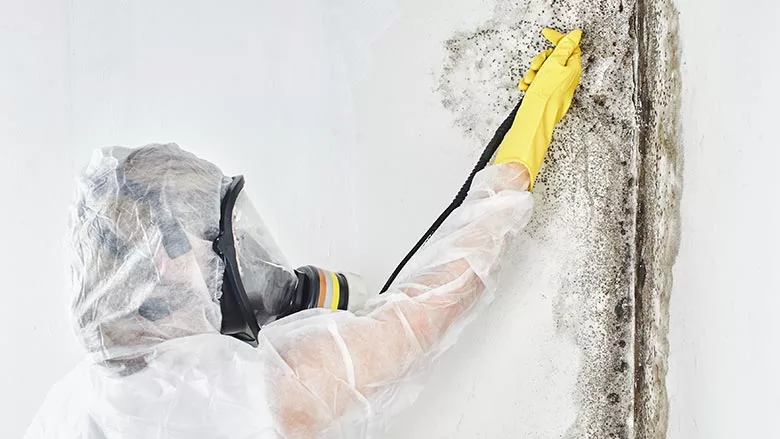
Moisture damage and mold growth are widespread problems that continue to plague builders, contractors and homeowners. Incorporating good moisture control practices into the design and construction of a building is the most important part of an effective mold prevention strategy.

Moisture damage and mold growth are widespread problems that continue to plague builders, contractors and homeowners. Incorporating good moisture control practices into the design and construction of a building is the most important part of an effective mold prevention strategy.
There are a host of mold-resistant products available that can also be part of an effective moisture and mold control strategy in combination with proper building design, construction and maintenance practices. This can significantly reduce typical problems in this area.
RESEARCH POINTS TO WATER INTRUSION
Research shows that the majority of moisture problems still originate from water intrusion caused by wet building materials, poor roof, window or other exterior flashing details, plumbing or HVAC system leaks and poor site drainage or flooding.
The one common element in all of these potential calamities is the introduction of excess moisture. Mold can grow on virtually any surface-glass, steel, fiberglass-all it needs are nutrients and moisture. Nutrients are as ubiquitous as organic fibers contained in most building materials or dust accumulation from construction and normal use. But without water, mold cannot grow. And moisture sources can be as innocent as window condensation or the installation of damp building materials-or closing up walls before materials have had a chance to dry.
Want the whole story? Click here for more!
Looking for a reprint of this article?
From high-res PDFs to custom plaques, order your copy today!