The First Step on the Road to Document Recovery

One of the greatest threats of water infiltration into a building often is often overlooked – the potentially irreparable damage to paper documents, microfiche, film and other records that become wet, soaked or soiled. Serious implications can arise with the loss of critical information severely compromising businesses’ records history, operational effectiveness and pre-incident service levels, and even placing some companies in breach of document retention laws.
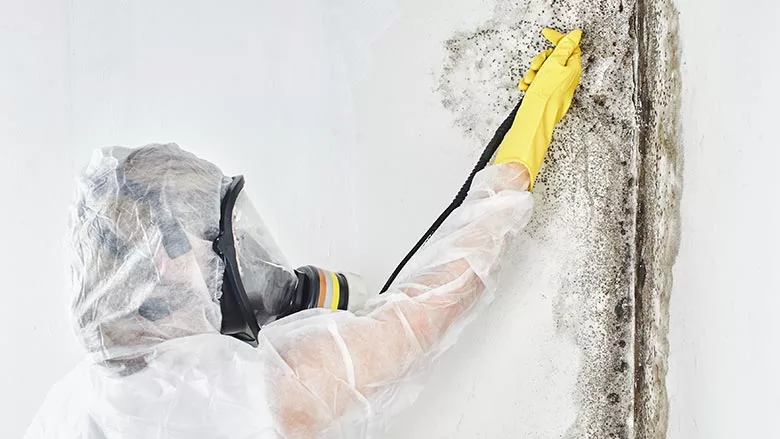
The key to a successful recovery is the response time of the restoration provider. Any delay in the decision to dry the materials can result in permanent loss. Inks can break down, making the text illegible. Dirt and grime and microorganisms can penetrate the paper. Mold and mildew often grow quickly on water-soaked documents. Drying techniques must be employed as soon as possible to eliminate the moisture fungi use as a food source to grow; otherwise, the microbiological contamination, and the associated objectionable odors will make recovery more difficult and expensive.
To accelerate response, it’s best to plan ahead by creating a Disaster Recovery Plan. A DRP defines and prioritizes the recovery and restoration of areas within a facility and details immediate next steps. It also designates the professional restoration provider to be contacted when an incident occurs.
Pre-selecting a contractor assures that building owners and records managers will have a partner in the reclamation process. There will be no learning curve during an emergency. It then can move rapidly to begin recovery work within the first 24 hours – a critical timeframe to minimize the effects of water. It’s best to select a provider that offers guaranteed priority emergency services

Expectations
These are the services you should expect from a document recovery firm:- Consulting. The project scope should be provided at the front end. The firm quantifies the damage, determines what can be saved and recommends the process.
- Project Management. The company can quickly assemble a cohesive work team, provide rapid emergency response time, provide a turnkey operation for recovery and restoration, and can guarantee results.
- Stabilization: The provider takes the necessary steps to stabilize the documents quickly and assists with relocation efforts to a facility for processing. The process to salvage water-damaged documents typically begins with freezing and this stage also ‘buys time’ for the restoration decision-making process to take place.
- Freezing. To halt deterioration and for optimum recovery success, documents should be frozen within 24-48 hours. Freezer-equipped truck trailers or blast freezers are used for this stage and the frozen materials are stored until the drying procedure begins. Blast freezing also is a successful technique to kill bug infestations such as silverfish.
- Drying. The qualified recovery firm will utilize technical experts and high-tech equipment during the drying phase. Depending upon the type and extent of damage, and the materials, one of two primary methods may be used:
- Desiccant Drying: Stabilized documents are removed from packing cases and placed on racks and shelves in a large vault-like room. Through the use of desiccant dehumidification the room atmosphere is maintained at about 68 to 78 degrees F. and 12 percent humidity. Desiccant dehumidifiers use changing vapor pressures to dry air continually in a repeating cycle. The continuously moving dry air created in the room should remove moisture from documents in one to seven days.
- Vacuum Freeze-Drying. This method is used in cases in which documents such as books or journals tend to warp or distort during desiccant drying. In such cases, it is important to save not only the paper, but the integrity of the binding. The frozen materials are placed in an airtight chamber in which negative vacuum pressure is introduced. This causes moisture in the documents to turn to gas. The gas is then expelled from the chamber, where it is condensed into liquid and discarded. As a result, the documents go from a frozen state to a dry state without ever returning to the liquid state. It is important to note that if books are severely distorted, vacuum drying alone will not return the books to a useable state. Rebinding or re-casing may be needed. Your recovery provider should be able to determine what needs to be done.
- Cleaning and Disinfecting. Cleaning is a critical process that should be completed by trained and seasoned professionals. Cleaning removes dirt, grime and most importantly, fungi spores. Staff should clean each document using such materials as specialized rubber sponges and scrub pads, while avoiding the application of liquid solutions that would reactivate the moisture and cause further damage to the materials.
- Inventory and sorting: Once documents are cleaned, they are assembled into new boxes, relabeled according to the inventory and returned to the owner.

Selecting the Right Firm
It is essential to have properly trained cleaning and restoration technicians and management staff overseeing your recovery project. Some providers will use temporary labor while others utilize seasoned professionals that typically have five to 10 years experience. This experience ensures that your questions are properly answered and expectations are met.Utilizing the necessary technology also is important. Typically, damaged documents will be shipped to a single facility from disaster sites elsewhere in the nation.
A qualified document center should offer blast freezing, which freezes quickly and kills bacteria; stabilization or capacity to freeze documents to mitigate damage; cleaning; desiccant air drying; vacuum freeze drying; and secure document storage.
Companies also should consider the provider’s expected turnaround time. Some restoration firms have backlogs due to the technology of their vacuum freeze dry chamber. Munters Moisture Control Services, for example, utilizes a cylinder-accelerated vacuum freeze dry chamber that can create a vacuum in about 30 minutes, which allows for the processing of smaller jobs -- because the company does not have to wait until the chamber is full. Typically, the MCS accelerated vacuum freeze-drying system can reduce drying cycles by 7-10 days.
Researching and References
Looking for a reprint of this article?
From high-res PDFs to custom plaques, order your copy today!